
Walking safely and confidently should feel achievable, not frustrating or limiting. Whether you’re recovering from an injury, managing a disability or coping with age-related mobility challenges, the right walking aid can make daily life easier. From simple walking sticks to adaptable rollator walkers, there are many types of walking aids for various needs, strength levels and circumstances. Knowing what’s available helps you find a device that helps you stay comfortable on your feet from one day to the next.
What Are Walking Aids and Why Are They Important?
Designed to support stability, these devices offer balance to those who have difficulty walking. Some aids are temporary (used during recovery after surgery or injury), while others are more for everyday use. This can include those with limited mobility, senior people, those who have arthritis or people dealing with muscle weakness.
The Benefits of Using a Walking Aid
The right walking aid can make a noticeable difference in daily life, with benefits such as:
- Improved stability and balance – reducing the risk of trips and falls, especially for elderly people
- Reduced joint and muscle strain – taking pressure off hips, knees and legs
- Greater independence – staying mobile at home and out in the community
- Increased confidence – moving around with less fear or hesitation
- Pain management – easing discomfort caused by arthritis, injury or long-term conditions
When Should You Think About Using a Walking Aid?
Most commonly, walking aids are best suited for those who struggle with walking or standing, especially for long periods. You may also benefit from a walking aid if you find yourself experiencing any of the following:
- Have frequent stumbles or deal with near-falls
- Experience pain in legs, hips or joints while walking
- Feel generally unsteady on your feet
What Are the Main Types of Walking Aids?
Walking aids vary widely depending on your mobility needs, upper body strength and the surfaces you usually walk on. Selecting the device that’s right for you can reduce strain, improve balance and give you confidence.
Let’s explore an overview of the main types of walking aids available:
1. Walking Sticks and Canes
Walking sticks offer the benefit of light weight and portability. This is ideal for people needing minimal to moderate support. For many people, the benefits of using a walking stick include improved stability, reduced joint strain and greater ease when walking.
Key features:
- Height-adjustable for proper posture
- Quad canes with four small feet offer extra assurance
- Folding sticks for storage or travel
Walking sticks are especially useful for indoor use or short trips, and modern designs make them convenient to carry when you don’t need them.
2. Crutches
Crutches provide more substantial support than walking sticks and are often used during recovery or for long-term mobility issues. Because crutches require a reasonable level of upper body strength, they aren’t suitable for everyone.
Different versions:
- Forearm Crutches: Wrap around the forearm, offering better manoeuvrability and comfort for ongoing use.
- Gutter Crutches: Support forearms in padded troughs, reducing pressure on the hands and wrists. This makes them ideal for those with arthritis or limited grip strength.
3. Walking Frame Types (Zimmer Frames)
Zimmer frames for walking provide consistent stability with four-point support, making them a great solution for people with poor balance or reduced strength, such as senior individuals. Walking frames are a common mid-level mobility aid that’s mostly usable indoors.
Common types:
- Standard Zimmer Frames: Lifted with each step and secure enough for inside use
- Wheeled Frames: Typically, two front wheels help reduce effort, and the back feet act as brakes
- Folding Frames: Compact enough for storage or travel, combining convenience and mobility
4. Rollators and Wheeled Walkers
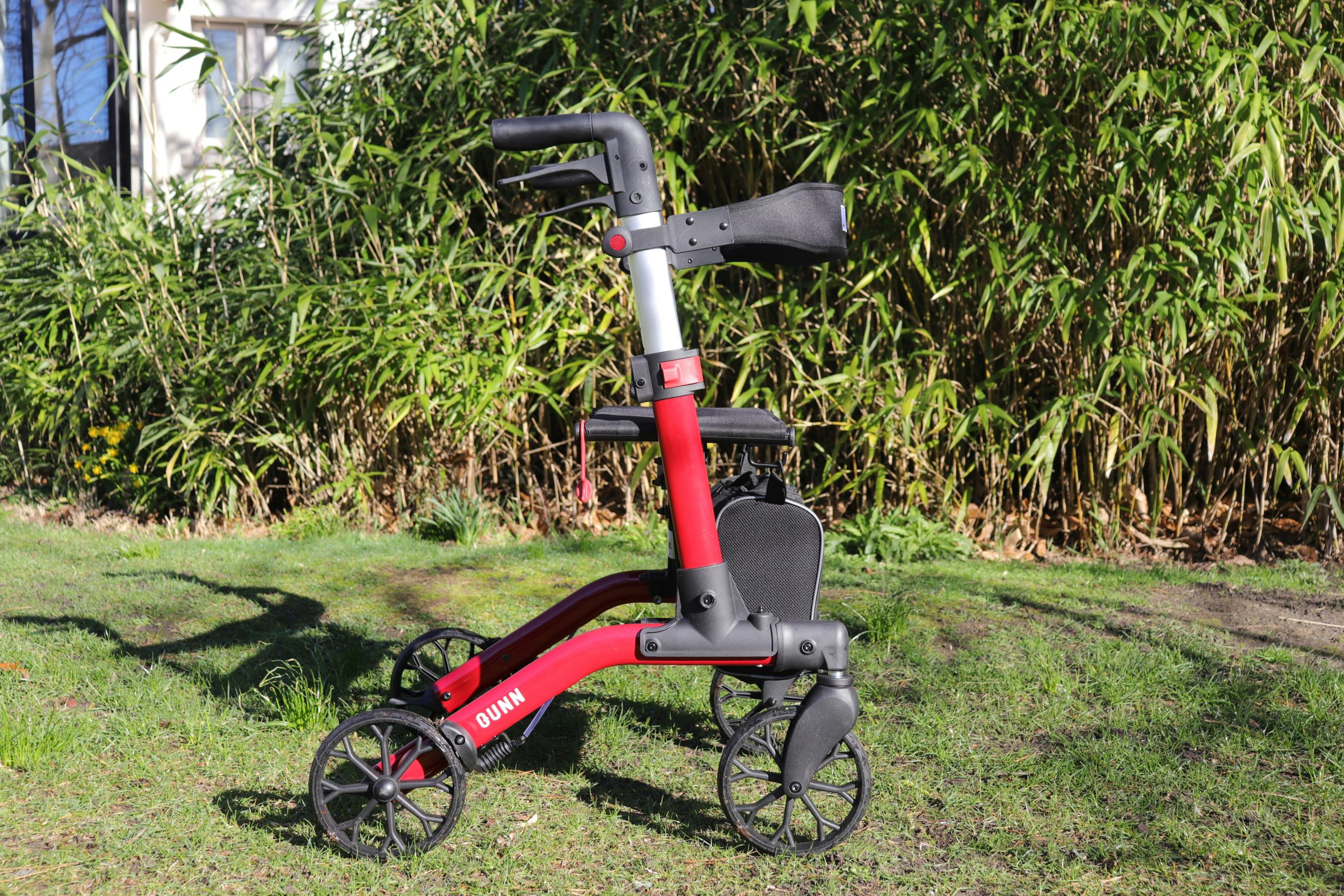
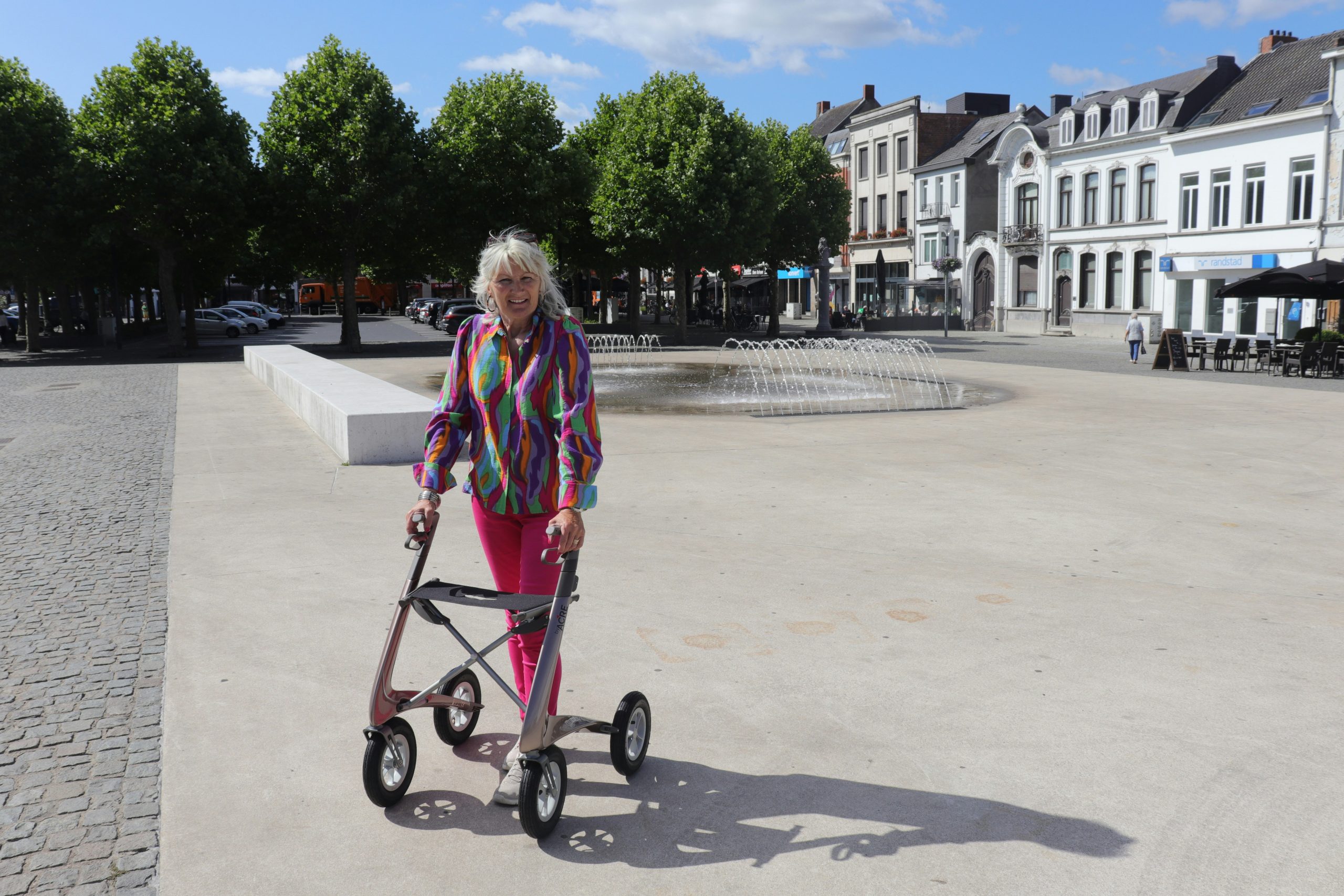
Rollators are wheeled devices that are made for day-to-day mobility improvements. They often include practical features such as built-in seats and storage baskets, making them ideal for longer or more demanding walks.
Types:
- Three-Wheeled (Tri) Rollators: Lighter, more manoeuvrable; ideal indoors and in tight spaces
- Four-Wheeled Rollators: Sturdier, usually with built-in seats and adjustable backrests; better for varied surfaces
- Folding Rollators: Travel-friendly and often including many of the features of three- or four-wheeled standard rollators
Rollators let you maintain a natural walking pace, offer security with hand brakes and allow enough breaks when you’re feeling tired. This is particularly helpful for the elderly or those with disabilities that affect mobility.
5. Speciality Walking Aids
Sometimes, you might need a device with targeted features for your unique situation. Walking aids for specialised use are designed to meet particular mobility challenges. These aids ensure people with specific mobility requirements or disabilities can remain independent and mobile.
Examples include:
- Knee Walkers/Scooters: For temporary non-weight-bearing use after foot or ankle surgery; adjustable knee platforms make moving around easier than using crutches
- Bariatric Aids: Heavy-duty walkers or rollators built for higher weight capacities, providing safety and comfort
- Other Adapted Devices: Aids for seniors or other individuals with dexterity issues, limited strength or medical needs, featuring loop brakes, ergonomic handles, or wider bases
Choosing the Most Suitable Walking Aid
The best walking aid depends on a combination of factors. For instance, larger wheels suit pavements outdoors, and compact frames fit through doorways indoors. Alongside where you’ll use it, comfort and handle height are important factors to consider. Adjustable handles and padded grips can help prevent strain. Someone needing light support and portability for occasional outings might prefer a folding walking stick, while severe balance issues often require a walking frame or rollator walker.
For many, trying different walking aids is what helps them understand their needs better. You don’t have to limit yourself either; sometimes, a combination of different types is most helpful for your lifestyle. It’s all about finding what works for you and your mobility.
Find Your Freedom With Walking Aids in Stockport
At A6 Mobility Shop, we understand how frustrating it can be to feel held back by walking difficulties. With over 30 years of experience in providing mobility aids across Stockport and Manchester, our friendly team can help you find the fit that gives you back some independence.
From walking sticks and canes to rollators and Zimmer frames, we offer lightweight solutions to help make everyday mobility feel more comfortable. You’re welcome to visit our showroom to try different walking aids or contact us for practical advice. Our team is always happy to help you find a walking aid that fits your lifestyle and feels right for you.
Pop in or call the team at A6 Mobility Shop.
Keep reading
Related articles
 Adjustable Walking Aids for Different HeightsRead article Walking Aids
 Best Walking Aids for BalanceRead article Walking Aids
 Choosing the Right Walking Aid for Your NeedsRead article