
Finding the right walking aid can go a long way in supporting your confidence and independence. Whether recovering from an injury, managing a long-term condition, or finding everyday tasks more challenging as a senior person, appropriate support can help you stay active and safe.
When it comes to getting that suitable support, there are a few considerations to help ensure your device aligns with your lifestyle – our walking aid selection guide is here to help.
When Should You Consider Using a Walking Aid?
Many people might delay getting a walking aid because they worry about seeming dependent. Additionally, some might put it off because they're uncertain about where to even begin choosing the right walking aid. Rest assured, using the right support often means staying independent for longer and is worth considering if you experience the following:
- Frequent falls or near misses
- Balance issues
- Pain when walking
- Weakness or fatigue
- Recovery from surgery or injury
What Should You Consider Before Choosing a Walking Aid?
Before selecting a walking aid, it's useful to take a step back and think carefully about your specific circumstances and requirements.
Your Level of Mobility and Support Needed
If you only require minimal support for balance, a simple walking stick might suffice. However, if you need significant weight-bearing support or have severe balance issues, a walking frame or rollator would be more appropriate. Your medical condition can also influence your choice – for instance, walking aids for arthritis can include wheeled options that reduce strain on the hands and wrists.
Indoor vs Outdoor Use
Where you'll primarily use your walking aid is vital when making a decision. Indoor aids need to be manoeuvrable around furniture and through doorways, whilst outdoor aids should be able to handle uneven pavements, kerbs and weather conditions. Measure your doorways at home if you're considering a walking frame to ensure it will fit comfortably.
Your Upper Body Strength
Different walking aids require varying levels of upper-body strength. Non-wheeled walking frames need to be lifted with each step, which can be tiring if you have limited arm strength or arthritis. Wheeled options are much easier to push forward, especially ergonomic walking aids with padded rests for your arms.
Height and Proper Fit
A walking aid at the wrong height can cause back pain and poor posture. When standing upright with your arms at your sides, the handle should align with your wrist bone. Most walking aids are height-adjustable, but it's worth getting professional advice to ensure the correct fit.
Portability and Storage
If you need to be able to travel or manage errands on your own, take a look at devices that can easily be stowed, such as in a car boot, when not used. Lightweight walking aids and folding models are ideal if portability is important. Another helpful feature is foldability, which can be available with walking sticks and more robust solutions like rollators with folding mechanisms.
Weight Limits
Your walking aid should safely support your weight, without leaving you worried whether it'll be sturdy for a full trip. Make sure the walking aid you choose can safely support your weight. Overloading a walking aid can affect its stability and performance, and may even pose a safety risk. Check the manufacturer's specifications and choose a model with some extra capacity to allow for carrying shopping or other items while you walk.
What Are the Types of Walking Aids to Look At?
Understanding the various types of walking aids, from crutches to scooters, will help you identify which might work best for you.
Walking Sticks
Walking sticks are the simplest form of support and work well for people who need minimal help with balance. A standard single-point stick is lightweight and discreet, whereas quad sticks or tripod sticks have four and three small feet at the base, respectively, offering more stability.
Walking Frames Without Wheels
Often called Zimmer frames, these provide substantial support and stability. They have four legs and require you to lift the frame forward with each step, making them ideal for people with fewer upper-body limitations. Standard walking frames can be easy to manage indoors if your doorways and hallways aren't too narrow.
Wheeled Walking Frames
A wheeled frame offers a middle ground between standard frames and rollators. With two wheels fitted to the front legs and rubber feet on the rear, these frames are much easier to manoeuvre. Instead of lifting the entire frame with each step, you simply raise the back slightly to move forward. When you lean your weight onto the frame, the rear rubber feet grip the floor and provide natural braking, giving you control as you walk.
Rollators
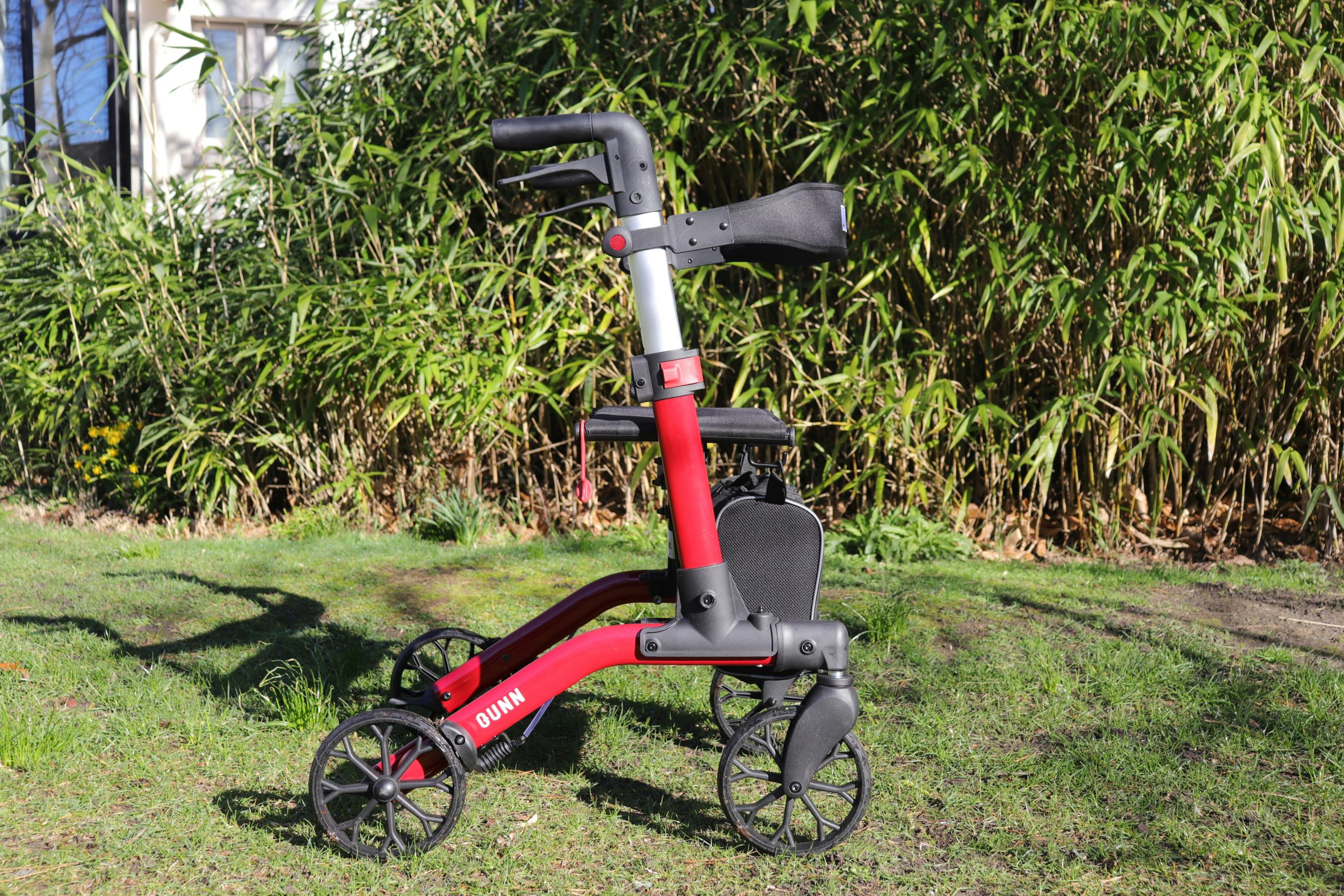
Rollators are versatile wheeled walkers with hand brakes and often a built-in seat, allowing you to rest when needed. Often, they also include ergonomic handles, padded grips and moulded handles, which provide extra comfort for those with joint conditions, like arthritis.
Four-wheeled rollators are more stable and suitable for indoor and outdoor use, whilst three-wheeled versions have a tighter turning circle. Many rollators come with a storage basket underneath the seat, leaving your hands free whilst you walk.
When Might You Need More Than a Walking Aid?
Whilst walking aids are excellent for many people, some situations require more substantial mobility support. If you struggle with longer journeys or tire very easily, you might benefit from a wheelchair for extended outings. For those who want greater independence outdoors, a mobility scooter could provide the freedom to go about their day while maintaining comfort.
Match Your Mobility Needs With Expert Advice
Choosing the right walking aid is a personal decision that depends on your specific needs, lifestyle and necessary level of support. When you have a customised device that matches your needs, you can benefit from greater independence and confidence in your everyday life.
A6 Mobility, a family-owned local business, has proudly supported people in Stockport and Manchester with their mobility needs since 1992. Our team has extensive experience with walking aid equipment and can provide honest, ethical advice without upselling products.
We understand that everyone's needs are different, and we're here to help you find the solution that genuinely works for you. If you'd like to test out any of our walking aids and wider mobility aids range, visit our showroom today. You can also contact our team to answer any questions you have about our products.
For friendly, expert advice, visit A6 Mobility Shop.
Keep reading
Related articles
 Adjustable Walking Aids for Different HeightsRead article Walking Aids
 Best Walking Aids for BalanceRead article Walking Aids
 NHS Walking Aids GuideRead article