
If you’re struggling with mobility due to an injury, surgery, or long-term condition, you might be wondering what support is available through the NHS. While there are criteria, there are basic walking aids from the NHS that can help individuals maintain their independence and stay safe whilst moving around.
To help you understand your options, we’ll explain what’s available, how to access NHS walking aids and what to expect from the service.
Walking Aids: What Can the NHS Help With?
There are limited basic types of NHS mobility equipment available based on medical need. The most commonly available options include:
- Walking sticks are the simplest form of support. A simple NHS walking stick provision typically covers standard sticks that provide extra stability and balance. You can borrow some types from the NHS, though you might need to pay a small deposit.
- Elbow crutches are often provided on loan following an injury or surgery. NHS crutches are functional and designed for short-term recovery, such as after a fracture.
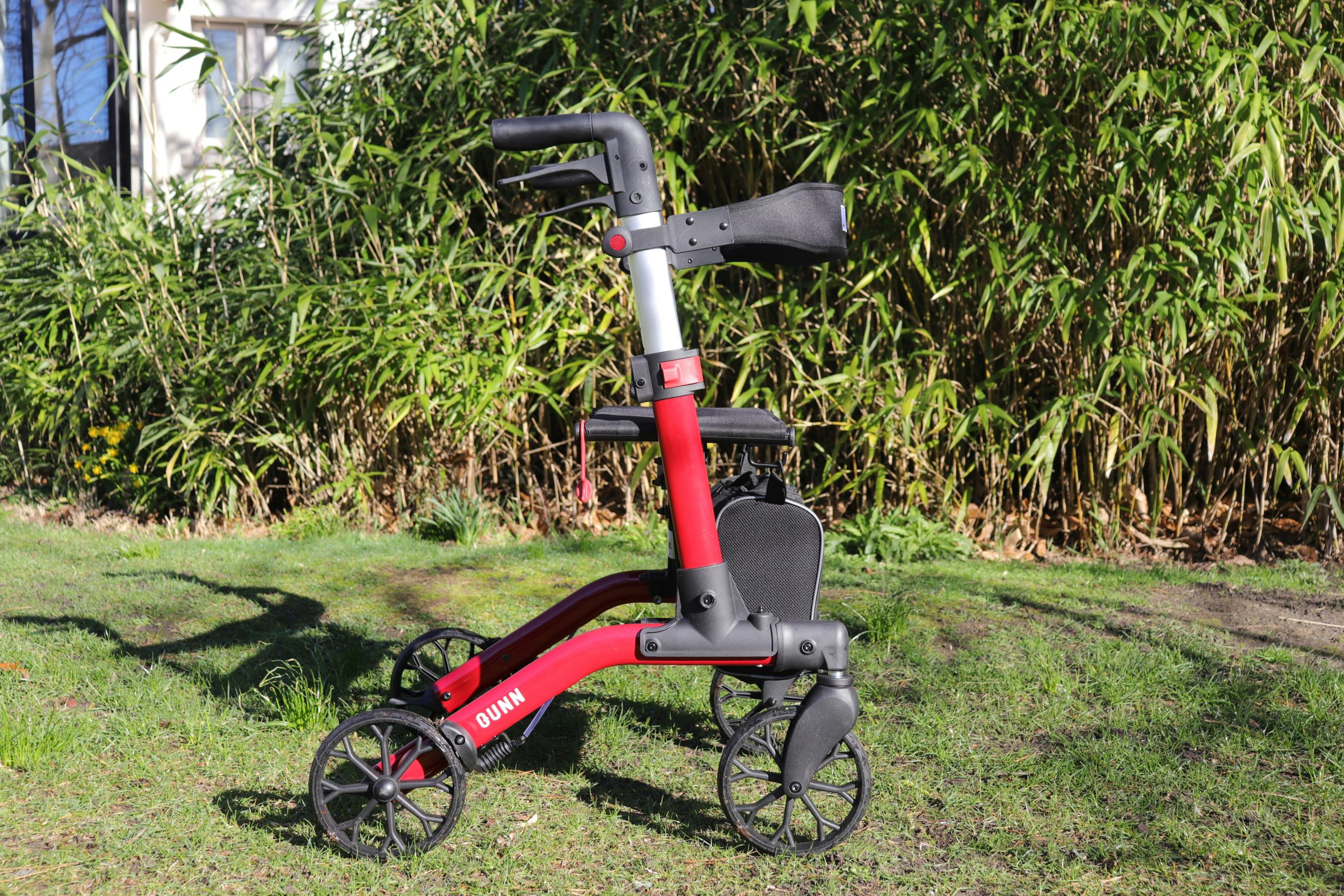
- Walking (Zimmer) frames offer more stability and support than basic walking sticks. Classic ‘zimmer’ style frames without wheels work well indoors. Only basic frames are given out by the NHS. Items such as rollators are not available on the NHS but these are much better for getting out and about.
How Do You Access Basic NHS-Provided Walking Aids?
Eligibility requirements may differ from one local authority to the next, so always double-check with your NHS Trust for the most up-to-date and applicable information. The typical process can involve:
Starting the Referral Process
To get walking aids, NHS guidelines often mention starting with a visit to your registered GP, a physiotherapist, or hospital staff. Before referral, they’ll assess your mobility needs and determine whether a walking aid would help.
The Assessment
An occupational therapy assessment helps ensure you receive the most appropriate aid for your specific condition or mobility needs. The assessment also considers your living situation and how you’ll use the equipment.
Loan or Provision
Many walking aids are provided on a loan basis, meaning you’ll need to return them when you no longer need them. If you’re leaving the hospital after surgery or treatment, basic aids like crutches or frames may be provided as part of your discharge planning.
Benefits of NHS Walking Aid Provision
NHS support for walking aids offers several advantages:
- Free of charge for those who qualify, which removes financial barriers to accessing mobility support
- Clinically assessed, ensuring you receive equipment suitable for your condition and capabilities
- Medical-grade and approved for safe use, giving you confidence in its reliability
Are There Any Limitations?
Whilst NHS provision is helpful, there are limitations to be aware of. The equipment is typically basic in design and appearance, and even loans could come with small deposit fees. Depending on your local NHS Trust and its available budget, the wait can be lengthy.
The range of options is limited to standard models. If you need something more specific – such as a particular height adjustment, ergonomic handle, or lightweight design – you may need to look at purchasing privately.
NHS walking aids are designed for function rather than comfort or style. For those who need to use a walking aid daily or long-term, investing in a higher-quality option can provide added independence and peace of mind.
Finding the Right Support at A6 Mobility Shop
Whilst the NHS provides essential, accessible support, we understand that some people need more choice, comfort, or quicker access to equipment. At A6 Mobility Shop, we stock a comprehensive range of walking aids to suit different needs and budgets.
Our Stockport family-run business has been supporting local people with their mobility needs since 1992. We offer a wide selection of walking sticks, frames, rollators and other mobility equipment, like mobility scooters, that go beyond what’s typically available through the NHS.
Everything can be tried in our showroom, which has free parking, including designated disabled bays. Whether you’re waiting for NHS provision or looking for a more comfortable, long-term alternative, visit our showroom or contact our friendly team today for advice on mobility solutions that meet your needs. We’re here to help you stay mobile, safe, and independent.
Photo by Nicolas J Leclercq on Unsplash
Pop in or call the team at A6 Mobility Shop.
Keep reading
Related articles
 Adjustable Walking Aids for Different HeightsRead article Walking Aids
 Best Walking Aids for BalanceRead article Walking Aids
 Choosing the Right Walking Aid for Your NeedsRead article