
Feeling unsteady on your feet can knock your confidence. Perhaps you've noticed your balance isn't what it used to be, or maybe you're recovering from an injury or finding that age has made you less steady on your feet.
With balance problems, walking aids can help you stay active, independent and safe. To help find the perfect device that can help reduce the risk of falls and improve steadiness, it's important to first understand how each type works.
Why Is a Walking Aid Helpful for Balance?
Balance assistance devices like walking aids redistribute your body weight, taking pressure off painful joints or weak legs and helping prevent falls with that crucial extra point of stability. You might walk further, feel steadier on different terrains, or simply worry less about losing your footing. With that reassurance, you can experience a noticeable change in your general quality of life.
What Types of Walking Aids Help With Stability?
The main options for balance support include walking sticks, walking frames and rollators. Whilst crutches are another type of mobility aid, they're typically designed for injury recovery rather than balance problems. Choosing the right mobility aid depends on how much help you need and where you'll be using it.
Walking Sticks (Canes)
Best for: Anyone needing a little extra support when walking
A walking stick might be all you need if your balance issues are relatively mild and occasional. They're light and easy to carry, so you can store a folding stick in your bag and use it when needed, which makes them perfect for people whose balance varies from day to day.
With ergonomic designs, walking sticks help reduce strain on your wrists. Whether you're recovering from surgery or simply finding movement harder with age, a walking stick offers simple, reliable support. If you need a bit more stability, quad canes have four feet instead of one, giving you a wider base of support without stepping up to a full walking frame.
Stability Walking Frames
Best for: Those who need solid, reliable support throughout the day
Walking frames, also known as Zimmer frames, fit around you, creating a stable structure that's much harder to tip over than a single stick. You'll find two main varieties: standard frames without wheels that you lift and place with each step, and multi-wheeled versions that you push along.
Frames without wheels are incredibly stable, but they do slow you down since you're lifting them constantly. Wheeled frames offer a middle ground – they're easier to move but still provide excellent stability. Frames need space, so be sure to check doorway widths before committing to one.
Rollators (Four-Wheeled Walkers)
Best for: Active individuals who want support for longer walks, shopping trips, or outdoor use
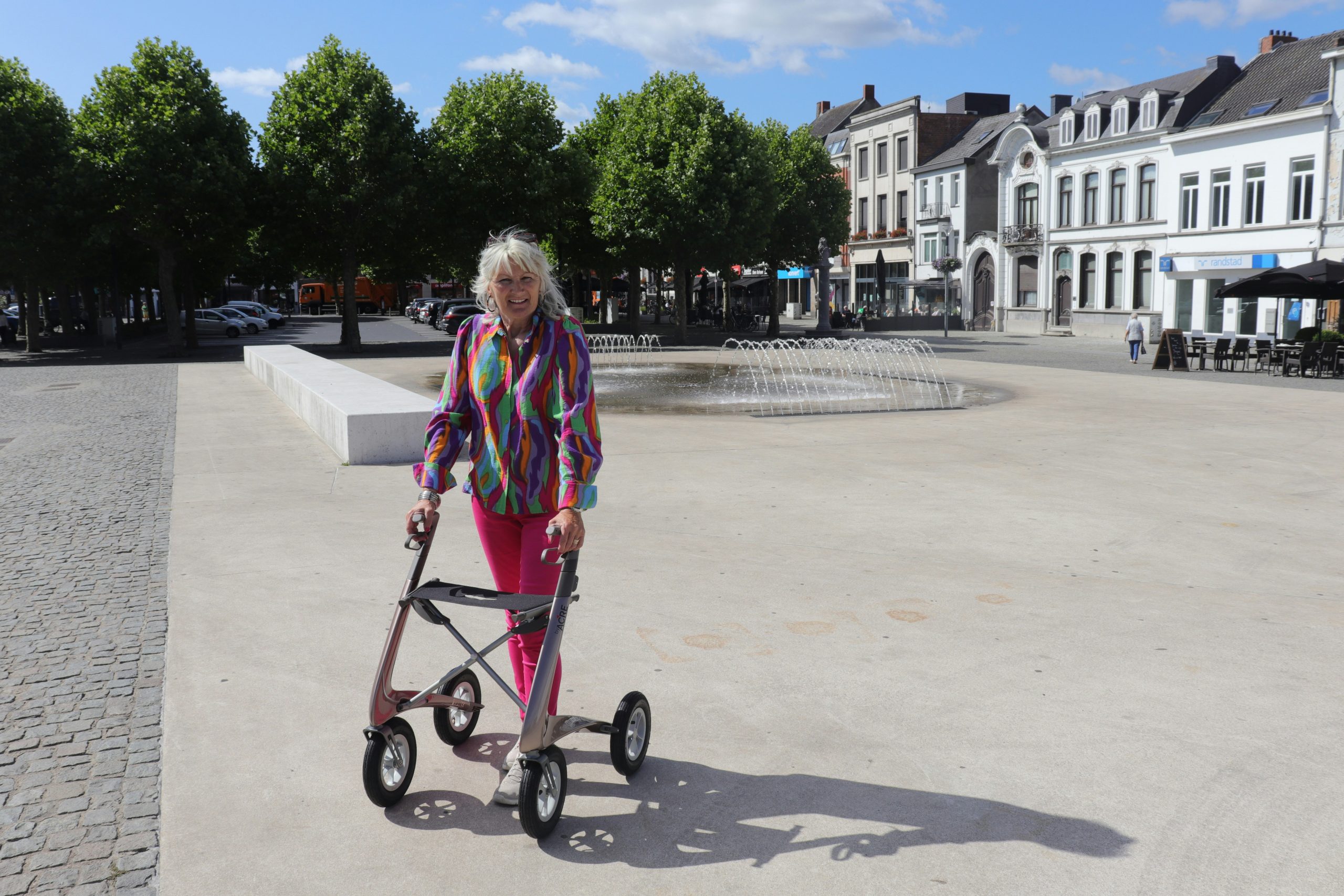
Rollators have transformed mobility for many people. Unlike basic walking frames, these come with four wheels, hand brakes for control and usually a seat. That built-in perch is invaluable, as it means you're never caught out needing a rest with nowhere to sit.
The wheels let you maintain a more natural walking rhythm rather than the stop-start motion of lifting a frame, while the hand brakes can give you confidence on slopes or when you need to suddenly pause. Most rollators include a basket or bag, which is tremendously practical for carrying shopping. You'll find them suitable for pavements, parks and even slightly uneven ground, though they work equally well indoors if you've got the space.
How Can You Choose a Walking Aid for Better Balance?
Whether you need a simple support device to get from point A to B or a rollator that can lessen strain on your lower body, there are a few considerations to factor in:
- Think honestly about your daily routine. Where do you struggle most? Is it around the house, or when you're out and about? Do you tire easily and need to sit down?
- Adjustable height is crucial. A walking aid set at the wrong height can cause back pain or wrist discomfort. When standing upright with your arms relaxed, the handle should sit at wrist level.
- Customised professional advice. Your GP surgery can refer you to a physiotherapist who can assess your needs properly. Additionally, mobility experts can help you trial devices to see which fits you. This way, your walk and specific balance challenges are taken into account when making recommendations.
Get Expert Guidance at A6 Mobility Shop
We've been helping people across Stockport, Manchester and Cheshire with their mobility needs since 1992. A family-run business, we ensure honest advice based on what's right for you, with prices that often beat what you'll find online. Visit our showroom, where you can try different walking aids in a relaxed, pressure-free environment, with plenty of free disabled parking right outside. To learn more about our extensive range of walking aids to support your balance, contact our friendly team today.
Family-run in Stockport since 1992, our mobility shop in Manchester is here to help.
Keep reading
Related articles
 Adjustable Walking Aids for Different HeightsRead article Walking Aids
 Choosing the Right Walking Aid for Your NeedsRead article Walking Aids
 NHS Walking Aids GuideRead article